



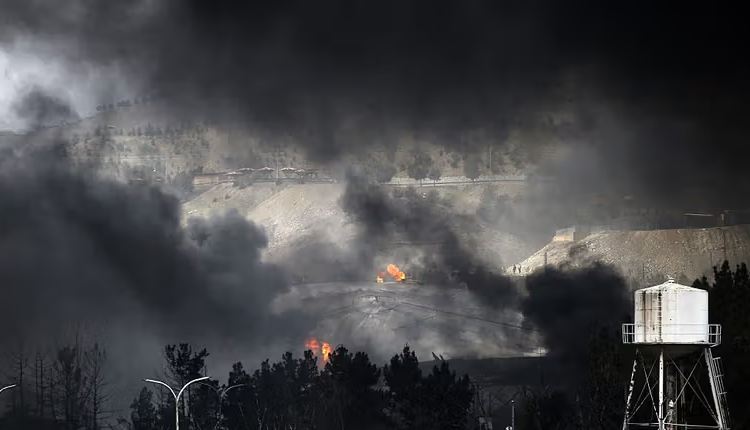
Global oil prices have surged beyond $100 per barrel for the first time in nearly four years as the conflict in the Middle East intensifies, raising fears of major disruptions to global energy supplies.
The spike in prices follows escalating hostilities involving Iran and its regional adversaries, with attacks and military operations affecting key oil-producing areas and shipping routes in the Persian Gulf. The price of Brent crude, the international benchmark, climbed to more than $114 per barrel, marking a sharp jump from last week’s levels.
Analysts say the conflict has heightened concerns about the security of oil exports from the Middle East, a region responsible for a significant share of global supply. Shipping through the Strait of Hormuz—a critical route for nearly 20% of the world’s oil—has been threatened by the ongoing fighting, triggering panic in global markets.
The surge has already begun rattling financial markets, with investors bracing for higher fuel costs, rising inflation and slower economic growth if the conflict continues. Some forecasts warn that prices could climb even further, potentially approaching $120 or more per barrel if supply disruptions worsen.
Energy analysts caution that prolonged instability in the region could significantly tighten global oil supply, pushing prices higher and increasing pressure on oil-importing countries around the world.
The latest spike highlights the sensitivity of global energy markets to geopolitical tensions in the Middle East, where several of the world’s largest oil producers are located.