


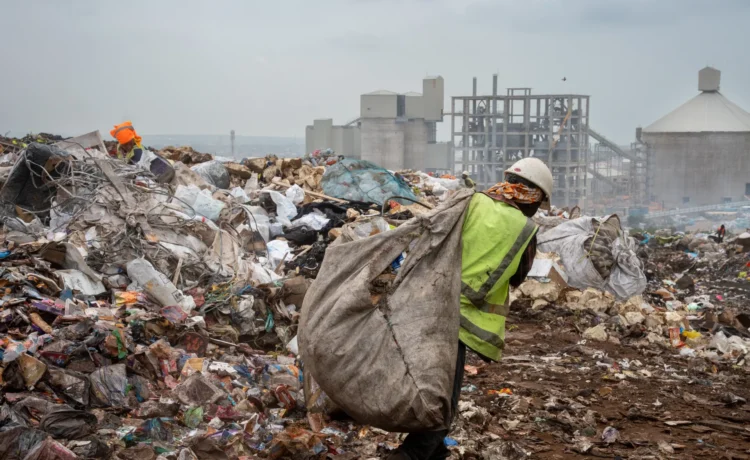
The initiative, spearheaded by the Asantehene in collaboration with Canadian experts, seeks to transform waste into electricity while reducing the growing environmental and health risks at the Oti landfill site.
The landfill site has served as Kumasi’s main final disposal point for waste for decades.
But with increasing population growth and rising volumes of refuse, authorities say the site is gradually reaching full capacity.
Managers of the landfill facility say pressure on the site continues to intensify, especially during the rainy season, as waste from several assemblies is transported to the area daily.
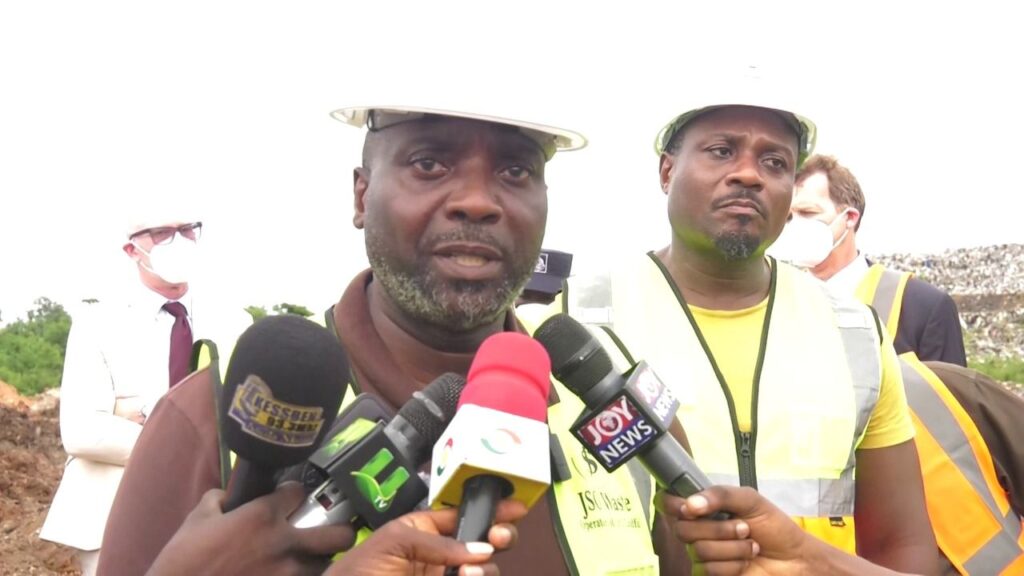
“The site is getting quite full. The pressure is quite heavy, but with the support of KMA, we are putting our heads together to find solutions,” said William Stanley Owusu, CEO of JSO Waste Management, managers of the facility.
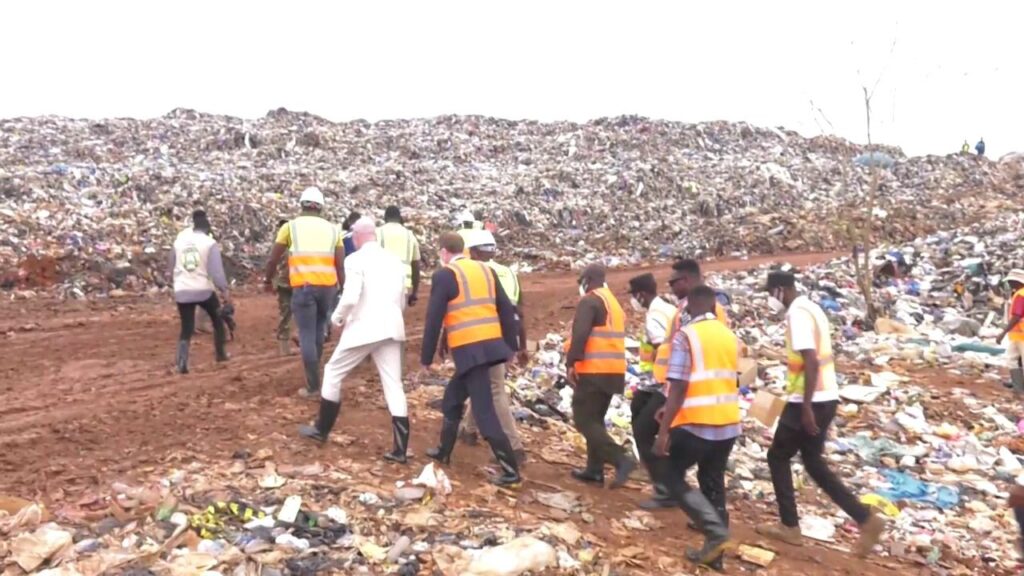
City authorities believe the initiative could become one of the biggest waste-to-energy projects in the sub-region.
“It will be one of its kind in the country, if not in West Africa, because there is a strong link between waste management and public health. The danger we foresee is that if the situation gets out of hand, the city could face a major health crisis, which would place an even greater strain on our financial resources. This project will therefore be a major step forward, as it gives us the opportunity to transform a potential disaster into an opportunity,” the mayor of Kumasi, Richard Ofori Agyemang Boadi said.
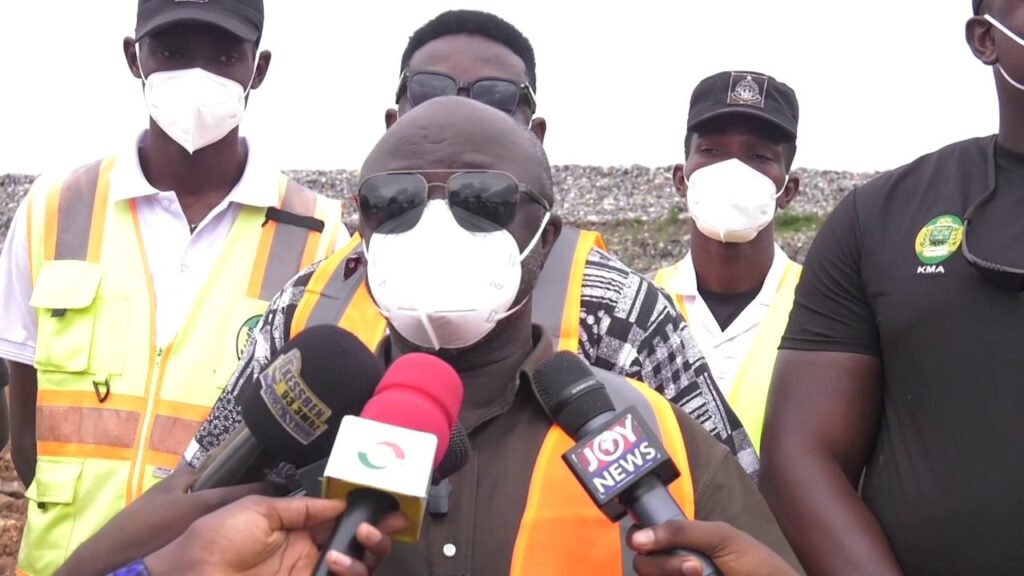
The Canadian delegation says the project forms part of efforts to support sustainable waste management solutions in Ghana.
Chief Executive Officer of Portage Energy Group, Craig Latimer, says Kumasi’s growing waste problem presents an opportunity for renewable energy generation.
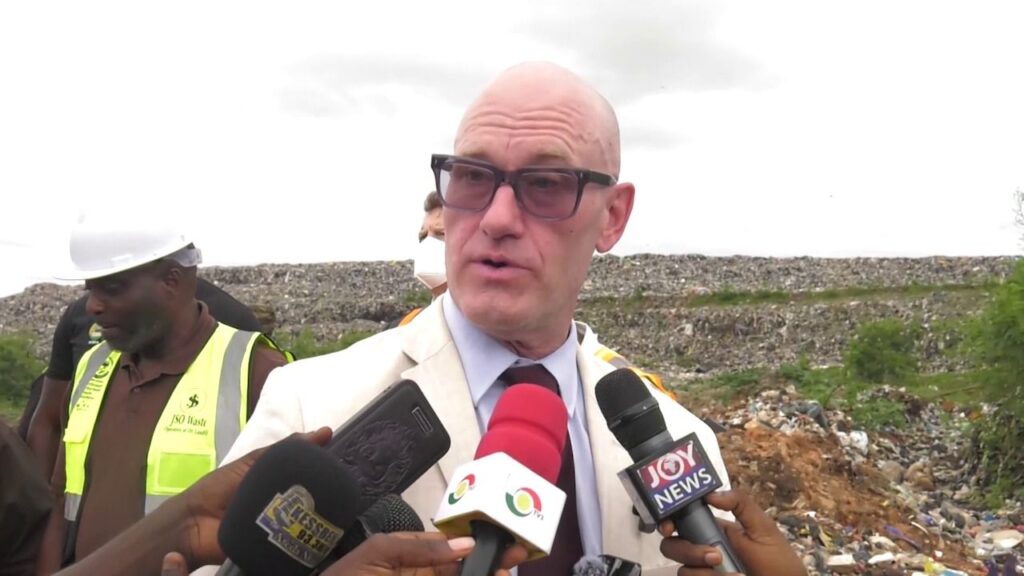
“We really want to take what’s seen as something that’s a real problem and turn it into something of value.There’s the waste that comes in every day, but there’s also these piles of waste you see here today. I think we can use both to make energy.”
The team estimates the facility could become operational within three years if funding and regulatory approvals are secured.
Authorities remain hopeful the proposed waste-to-energy project will not only solve Kumasi’s growing sanitation challenge but also transform thousands of tonnes of waste into a valuable economic resource.